

In short
The five most common signs of labor, how to tell Braxton Hicks from true contractions, and when to go to the hospital straight away.
How to Tell False Labor from True Labor?
As the due date approaches, expectant mothers often feel both excited and anxious. One of the most common concerns is: “Is it really time?” or “Is this pain a sign of labor?”
Understanding the real signs of labor and distinguishing between false and true contractions can help you avoid unnecessary hospital visits — and ensure you arrive at the right time!
Understanding the real signs of labor and distinguishing between false and true contractions can help you avoid unnecessary hospital visits — and ensure you arrive at the right time!
I. What Are the Most Common Signs of Labor?
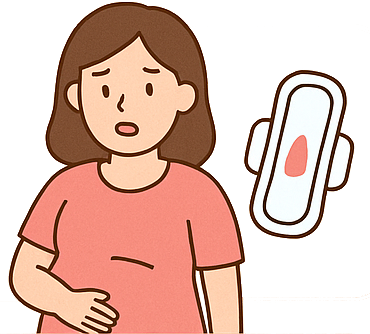
Bloody Show (见红)
- Symptom: Small amounts of bloody discharge from the vagina, usually pink, red, or brown.
- Cause: Caused by cervical dilation and rupturing of blood vessels — a common sign labor is approaching.
- Timing: Some women experience it 1–3 days before labor, while others notice it on the day of labor itself.
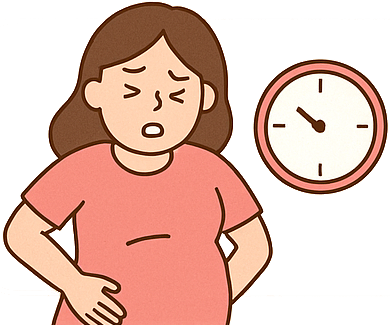
True Labor Contractions (规律性宫缩)
- Symptom: Uterine contractions become regular, stronger, and more frequent, with noticeable pain.
- Initially may feel like menstrual cramps, then radiate to the back, abdomen, and thighs.
- Frequency shortens from every 30 minutes to every 5 minutes or less.
- Duration increases from 20 seconds to over 60 seconds.

Water Breaking (破水)
- Symptom: Sudden release of a large amount of fluid from the vagina, uncontrollable and usually clear or yellowish.
- Different from urine — it’s uncontrollable, continuous, and may have a sweet or slightly musty smell.
- Seek immediate medical care after your water breaks, even without contractions, to prevent infection or umbilical cord prolapse.
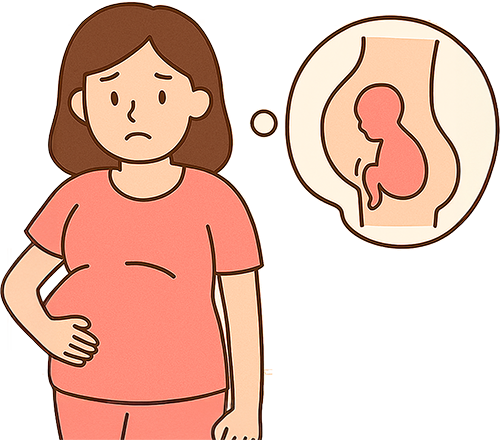
Fetal Descent & Belly Change (胎儿下降、腹部变形)
- Some moms feel relief when breathing as the baby drops lower into the pelvis, reducing stomach pressure.
- Also accompanied by increased urination and heavier walking — a sign the baby is engaged and ready for labor.
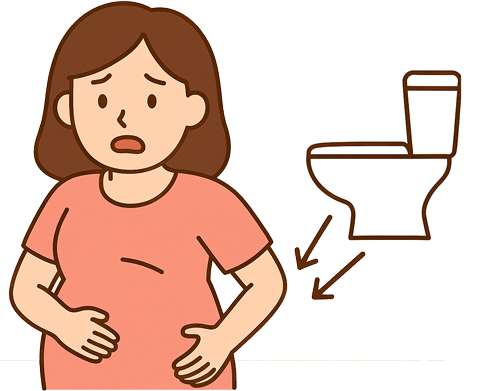
Increased Rectal Pressure (排便感增强、下坠感明显)
- Before labor, pressure from the uterus on the rectum can cause a strong urge to defecate.
- If combined with regular contractions or water breaking, it may signal that labor has truly begun.
II. How to Tell False Labor from True Labor?
In late pregnancy, many moms feel their belly tighten — usually a false alarm known as Braxton Hicks contractions. These are the body’s way of “rehearsing” for labor, not the real thing.
- Regularity: False labor is irregular and varies in duration. True labor is regular and gradually closer together.
- Pain level: False labor is mild tightening, not painful. True labor is clear pain, from back to abdomen and thighs.
- Pain location: False labor is mostly in the lower abdomen. True labor starts from the lower back and spreads to the belly.
- Duration: False labor usually lasts under 20 seconds. True labor lasts 30–60 seconds, increasing.
- Intensity: False labor doesn’t increase over time. True labor gets stronger and more frequent.
- Relief: False labor goes away with rest or a position change. True labor doesn’t ease and worsens over time.
- Other symptoms: None with false labor. True labor may come with a bloody show or water breaking.
📝 Tip: Some moms experience a transition from false to true labor. If unsure, track the contraction intervals and contact your doctor for advice.
III. When Should You Go to the Hospital Immediately?

If you experience any of the following, do not hesitate — head to the hospital right away:
- Water breaks, even without pain
- Regular contractions every 5 minutes lasting over an hour
- Heavy vaginal bleeding or blood clots
- Notable decrease or absence of fetal movement
- Severe headache, blurred vision, or upper abdominal pain (could indicate pregnancy hypertension complications)
A Final Word of Encouragement
Labor is a sacred journey and a miracle of life. By understanding the signs and preparing in advance, you can welcome your baby with calm and confidence!
If you’re already in late pregnancy, remember to rest well and stay positive. Every mother deserves gentleness and love. 💕
Health note. This article is general information. Always follow the advice of your own doctor or midwife.